


Latest Biology News & Discoveries: Cutting-Edge Research in Life Sciences - SciTechDaily
Science, Space and Technology News 2026
-
Africa’s Giant Herbivores Were Disappearing Millions of Years Before Humans Could Hunt Them
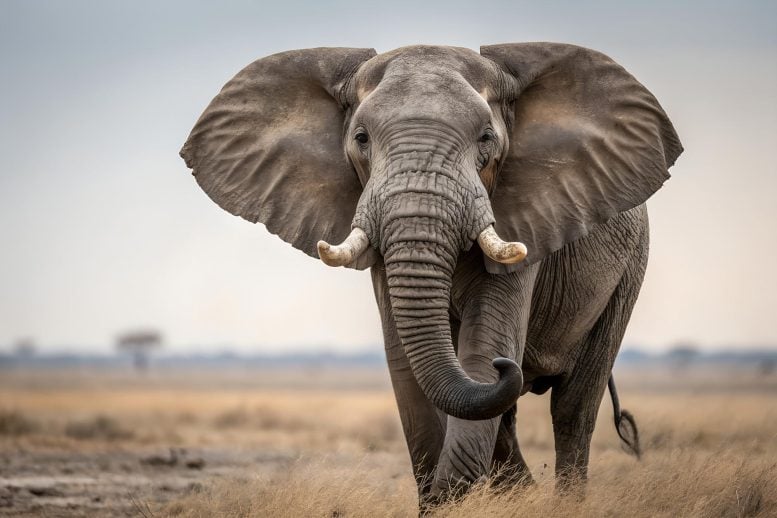 Africa’s giant herbivores did not simply vanish in a wave of extinctions. Their evolutionary family tree was slowly running out of new branches. A new study suggests that the long decline of animals such as elephants, hippopotamuses, and their extinct relatives was driven primarily by low rates of speciation. Once a giant species disappeared, another [...]
-
Vagus Nerve Stimulation Could Unlock the Brain’s Hidden Learning Potential
 Practice may teach the brain a new movement, but what happens immediately afterward could determine whether that skill lasts. Scientists have long known that repetition alone does not guarantee learning. A newly practiced movement must be stabilized through memory consolidation, a process that continues after training ends. New research in mice suggests that signals arriving [...]
-
Your Mother’s Age May Leave a Biological Mark That Lasts for Generations
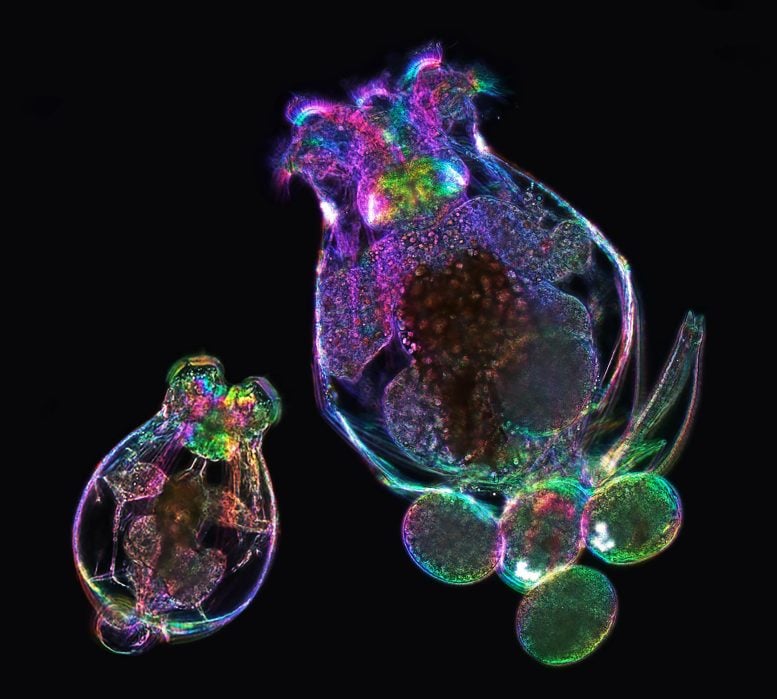 Maternal age effects may arise from reversible epigenetic changes whose impact depends partly on genetics and evolutionary pressures. A mother’s age can leave a biological imprint on her offspring, influencing physical and behavioral traits across many animal species, including humans. These so-called maternal age effects are widespread, but scientists still do not fully understand the [...]
-
These Toads Are Surviving a Deadly Fungus – Scientists May Finally Know Why
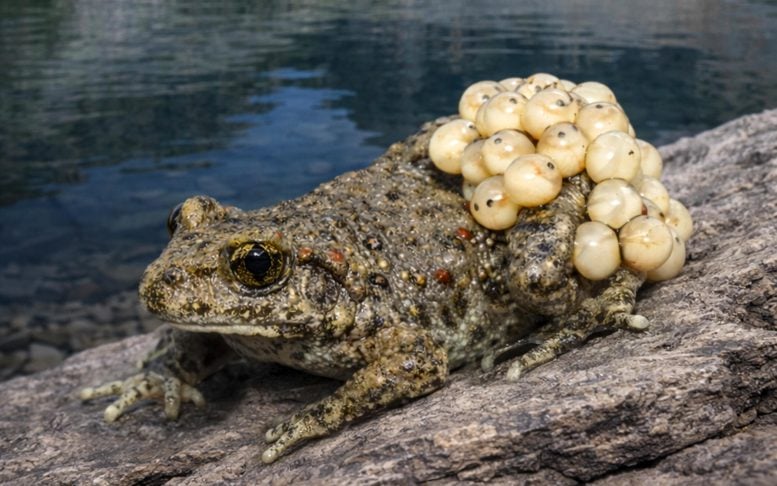 Earlier development of diverse antimicrobial peptides may help some toad populations survive devastating chytrid fungus outbreaks. A deadly fungus has devastated frog and toad populations around the world, yet some groups eventually begin to recover even while the pathogen remains. Researchers led by University College London (UCL), ZSL, and Imperial College London have now identified [...]
-
These Brain Cells May Explain Why We Eventually Have To Sleep
 The longer we stay awake, the more certain brain cells appear to turn up the pressure to sleep, eventually making rest nearly impossible to resist. Sleep drive is the biological pressure to rest that builds during waking hours, making it increasingly difficult to stay alert. After prolonged wakefulness, it typically produces longer, deeper recovery sleep, [...]